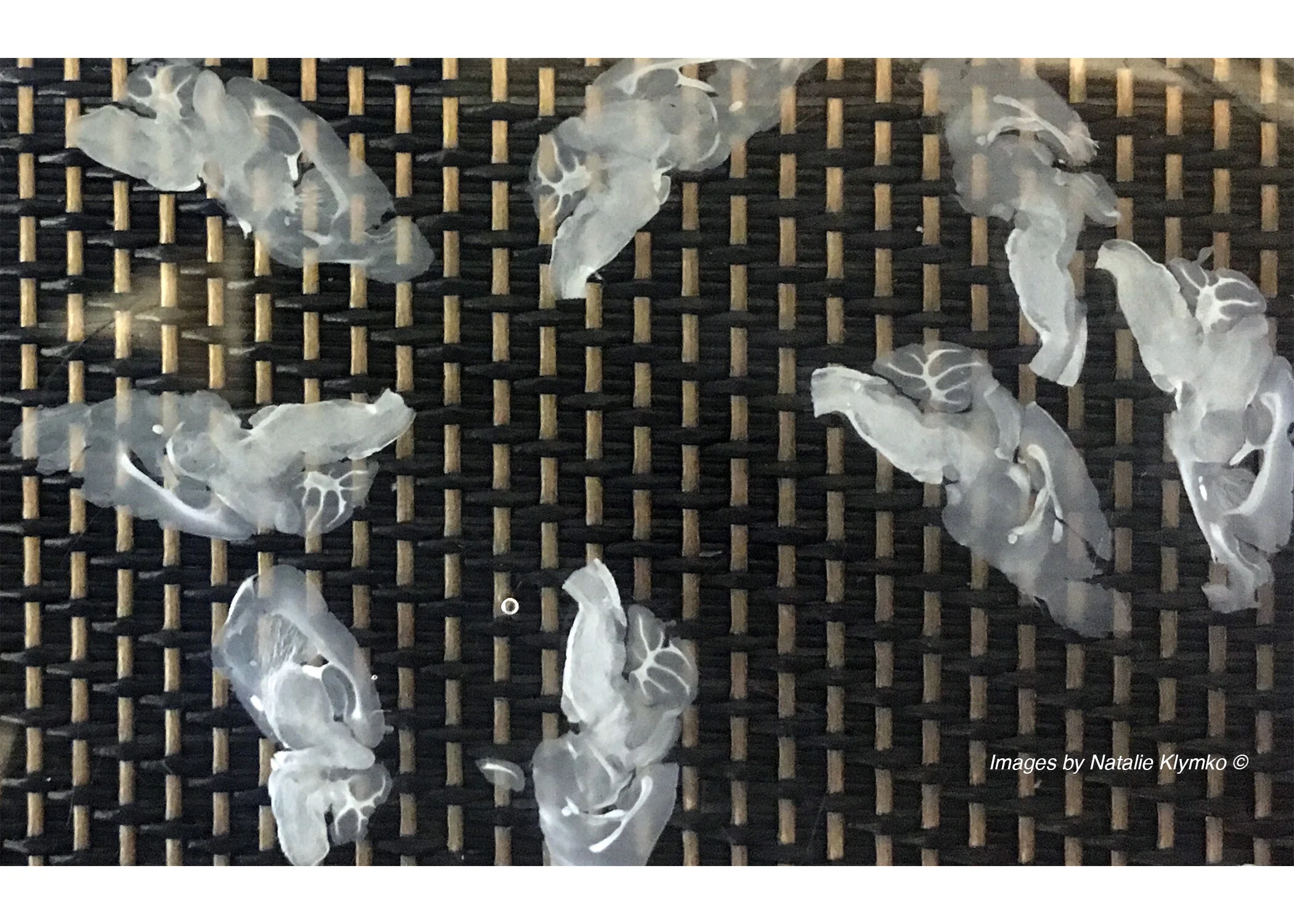
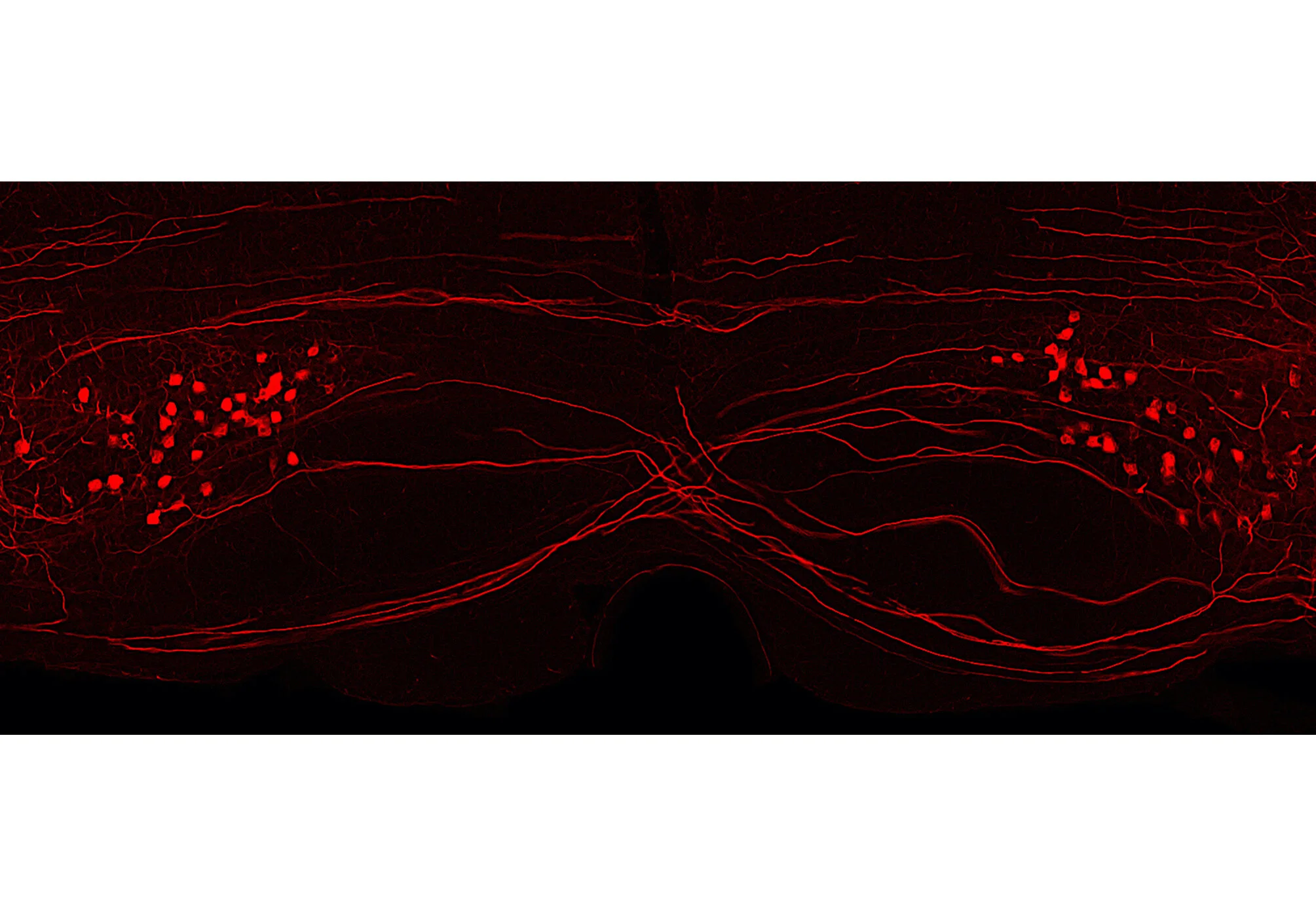
Verstegen Lab
 

Welcome to the V- Lab!

Our goal is to contribute groundbreaking science toward unraveling the CNS circuits that drive physiology, using the lower urinary tract (LUT) as a model system.

We study neural circuits and explore how urinary continence is maintained. We aim to identify the functional neuronal subtypes in the micturition reflex pathway - in both the brain and spinal cord. We also investigate how signals originating from within (i.e., bladder fullness) are sensed and integrated into neuronal circuits before leading to a micturition (urination) event.

By defining the neural activity dynamics, identifying the circuit features that integrate sensory information, and the functional mapping of CNS circuits that regulate bladder behaviors, our studies may lead to new insights into how bladder stretch sensation is encoded in the brain, as well as into the pathology and treatment of lower urinary tract symptoms (LUTS) and related disorders.


** For a Post-doctoral fellowship opportunity: please send an email with your CV, a description of your research interests and career goals, and contact information for three references. 

>> Also check out this article about Bladder-Brain Research in “Knowable Magazine” (May 2024): https://knowablemagazine.org/content/article/health-disease/2024/how-do-we-sense-the-need-to-urinate ! <<


Neuro-urology and Neuroscience Research


Disorders of voiding and storage of urine in the bladder, including overactive bladder, incontinence, and other lower urinary tract symptoms (LUTS), affect millions of people and become even more prevalent with aging. The incomplete understanding of the mechanisms underlying LUT function hampers treatment.  

Basic research conducted in our lab aims to elucidate the molecular and cellular basis of voiding dysfunction. We study the functional and anatomical interface between CNS nuclei and the brainstem micturition control centers in healthy and disease models.

Connecting Neuroscience and Urology: lower urinary tract symptoms (LUTS) are likely caused or exacerbated by dysfunction in neural circuits that control bladder function. Despite some progress in the understanding of the cellular and synaptic circuits in the brain and spinal cord that control reflex and voluntary micturition, significant knowledge gaps remain. We aim to identify the etiology and unravel the underlying neural mechanisms of lost bladder control, which often accompanies neurological disorders, and to provide mechanistic insight to inform the development of novel treatments.


Center for Life Science building

Center for Life Science building

Location: Our lab is located in the Center for Life Science, where many of our collaborators from the Departments of Neurology and Medicine at BIDMC are also located.

Beth Israel Deaconess Medical Center

Center for Life Science

3 Blackfan Street, Boston, MA 02115